Jessica
The periodic table
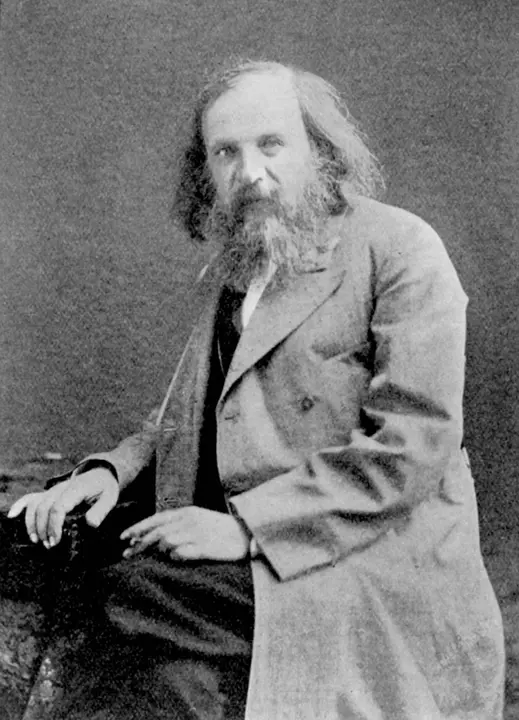
Dmitri Mendeleev, a Russian thinker by 1834. Chemistry, in his eyes, needed structure, something beyond mere repetition.
Understanding took priority over passive recall.
During the 1860s, Mendeleyee filled card decks with symbols representing atoms, then shifted them constantly to spot connections.
Instead of random order, he lined them up by atomic mass - this revealed recurring patterns.
Because of these repeats, he grouped nearest neighbors into matching boxes.
What stands out is how he opened space for unknown components while forecasting their shape.
Finds after the fact lined up exactly with those guesses, making his version of the table gain broad acceptance.
A grid holds every element in order - this is what the periodic table looks like.
Oxygen, iron, gold - each acts like a clean, single kind of stuff on its own. Every one gets a short name too.
Atoms of just that kind make up each element, nothing mixed in.
Starting from left to right across each row, elements show consistent trends in behavior. Moving this way, you see changes follow a clear sequence.
Down the columns, patterns grow stronger. Because of these regular shifts, scientists use them to guess unknown traits. Atomic number sets the base for these shifts - it counts protons only.
That number controls where things appear on the table.Things in one column tend to act alike. Take alkali metals - they react easily.
On the flip side, noble gases stay quiet, hardly changing at all. That pattern helps - no need to learn endless details to spot patterns across elements.
A map for chemistry? That’s what the periodic table feels like. Reactions make sense when you see where elements fit. Materials behave based on their position too.
At the start, it just sits there - confusing. But once you start noticing patterns, everything shifts. Suddenly, it guides without needing words.
