Jessica
Social Studies Article 2
Learning about the past and today
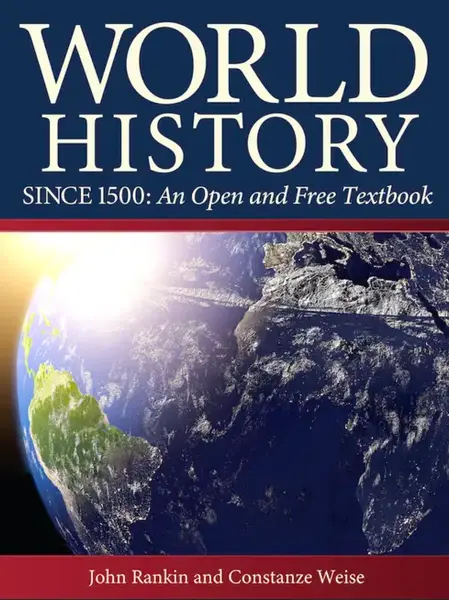

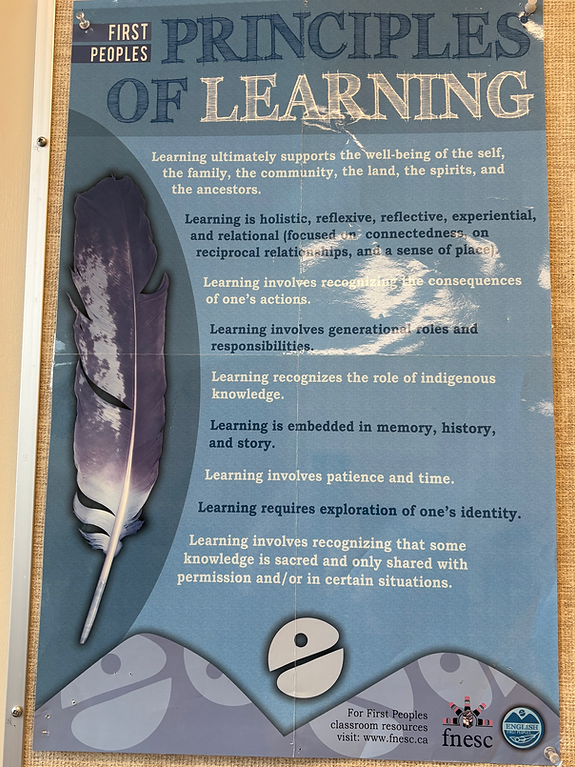
Social Studies 9 can help students understand how the world changes in the times.
Students learn about important events like revolutions, new inventions, and how countries were created.Students also study big ideas like democracy, nationalism, freedom, and how they affected people’s lives.
Social Studies also show how the environment shapes the way people live. For example, Canada’s land and weather influenced where people settled and how communities grew.
Students learn how power can vary between different groups. This includes learning about the effects of imperialism and colonialism on Indigenous peoples and how those effects still continue in todays world.
Students will learn skills such as reading maps and documents, thinking in different ways, and connecting history. Students will also do projects, write essays, and class discussions to share our point of views of the world.
In the Incentive Social Studies 9 program, students will dive deeper in this course. Students do more research, debates, and independent projects. Students study events from the past and explore how they helped shape modern Canada.
Overall, Social Studies 9 could help us see that history is not only memorizing facts but also about understanding people's culture, ideas, and the past.
